
Is Kids’ Yoga Just Stretching?
Introduction: why this question matters
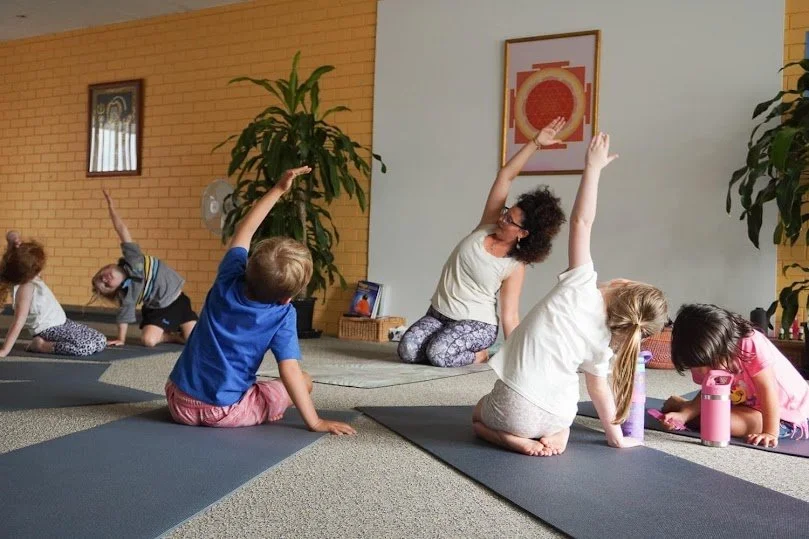
If you’ve ever pictured kids’ yoga as a mini version of an adult class—quiet mats, tricky poses, long holds—you’re not alone. Many parents are surprised to discover that children’s yoga looks and feels completely different. It’s playful, story‑led and designed to match children’s development, attention spans and need for movement. Yes, there are poses, but they’re used as characters in a story, as shapes for balance and coordination practice, and as moments for noticing breath and feelings. The aim isn’t perfect alignment; it’s helping children practice calm bodies, kind choices and confident “I can do this” thinking.
What actually happens in a kids’ yoga class
A well‑structured class follows a predictable rhythm so children feel safe and know what comes next.
1) Welcome circle — Everyone says their name, shares a quick prompt (colour, animal, favourite snack) and hears the session’s story theme. This builds connection and lowers first‑time nerves.
2) Warm‑ups & movement — Short, fun sequences connect to the story: creeping like cats, stretching like tall trees, balancing on a surfboard shape. Movements are small and achievable; children get options so they can choose what feels comfortable.
3) Breath games — Breathing is taught in kid language: “balloon belly”, “candle breath”, “dragon sighs”. These are short, playful and easy to repeat at home or school.
4) Co‑operative play — Partner or group games practise turn‑taking, empathy and listening. Children learn how to be in a team and celebrate effort.
5) Quiet finish — A brief relaxation or imagination story helps bodies settle. Children leave with a sense of pride and calm.
Why it’s more than stretching: the skills underneath the play
Emotional skills — Children learn to notice big feelings, choose a breath tool, and settle. This is the beginning of self‑regulation.
Cognitive skills — Short focus tasks and copying a sequence build attention and working memory.
Movement skills — Balance, core strength, coordination and posture are gently practiced in age‑appropriate ways.
Social skills — Co‑operative games support empathy, clear communication and respect.
What makes a class safe and inclusive
Safety starts with design. Children’s yoga isn’t about deep stretches or pushing range of motion. We choose shapes that are functional and friendly, we offer options (“try the baby version first”), and we avoid hands‑on adjustments without consent. Sessions are secular and inclusive of all beliefs. For outdoor classes, we prioritise shade, hydration and shorter segments in hot weather. For sensory needs, we use calm cues, visual demos and a quiet corner option.
How age bands change the session
Ages 2–4: Very short activities (30–60 seconds), lots of repetition and songs, props that cue movement (scarves, bubbles). The goal is safe exploration and joyful participation.
Ages 5–8: Playful sequences get a little longer; we add focus games and clearer breath cues. Children copy then create, which builds confidence.
Ages 9–12: We introduce simple ideas about posture, balance and managing pre‑exam nerves. Practice is still playful, never pressured.
What you can expect to see at home and school
Parents often notice smoother bedtimes and easier transitions after school. Teachers talk about faster settling after breaks. That’s because children have practised micro‑skills—a three‑breath reset, a balance pause, a simple language cue like “ready bodies, quiet minds”. When children know what to do, they feel more capable, and that confidence shows up across the day.
Common myths—gently debunked
“It’s religious.” Kids’ yoga here is secular. We use inclusive language and focus on movement, breath and kindness.
“It’s too slow for my energetic child.” We direct energy up then down—a fun movement burst first, a settling breath second.
“My child won’t join in.” Many children watch first. With predictable routines and kind invitations, most try within a session or two.
How to try kids’ yoga on the Sunshine Coast
Families can start with a $10 taster or a park class. If your child prefers a quiet start, book a short private. Educators can request an incursion pack with EYLF/HPE mapping and sample plans.
